A calmer, more structured way to separate.
Mediation & Family Dispute Resolution
Smoother Separations exists to help people move through separation with less harm, less conflict, and less long-term damage, especially where children are involved.
The purpose is not to “win” or escalate. It is to slow things down, bring clarity into emotionally charged situations, and support people to make fair, workable decisions when they are at their most vulnerable.
At its heart, Smoother Separations offers a calmer, more human alternative to adversarial legal pathways. One that protects dignity, supports emotional regulation, and helps families move forward rather than stay stuck.
Everything we do is built around clarity, respect and steady progress.

Clarity over confusion

Respect always

No pressure, ever

Child-focused outcomes

Structure brings calm

Focused on what matters most
Keeping children at the centre.
When children are involved, their wellbeing sits at the heart of every conversation.
At Smoother Separations we help move beyond conflict and focus on practical arrangements that support their children’s stability, security and ongoing relationships. That doesn’t mean every decision is easy, but it does mean keeping the conversation centred on what will help children feel safe, supported and connected.
By creating a clear path forward we help families make decisions that work for both today and the years ahead.

Reducing Conflict
Creating Stability
Looking Ahead
About Bonnie.
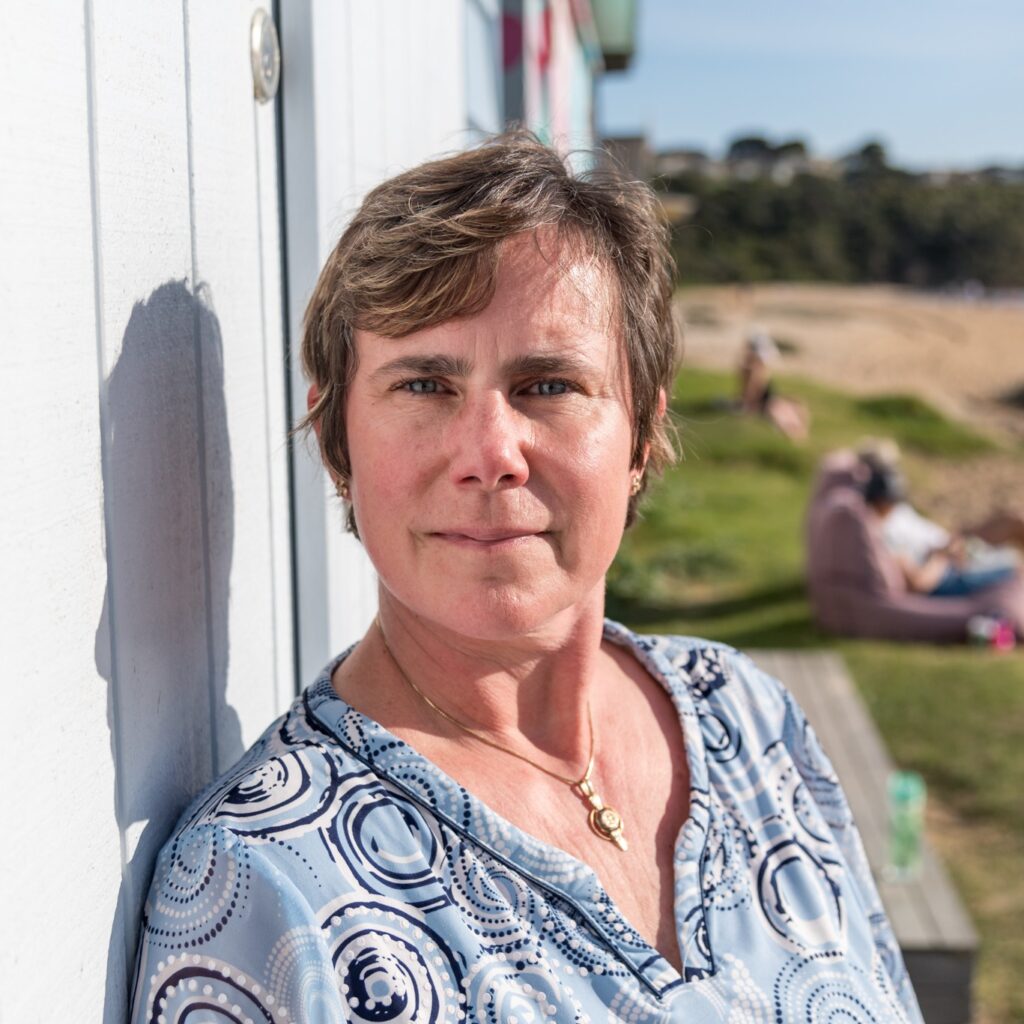
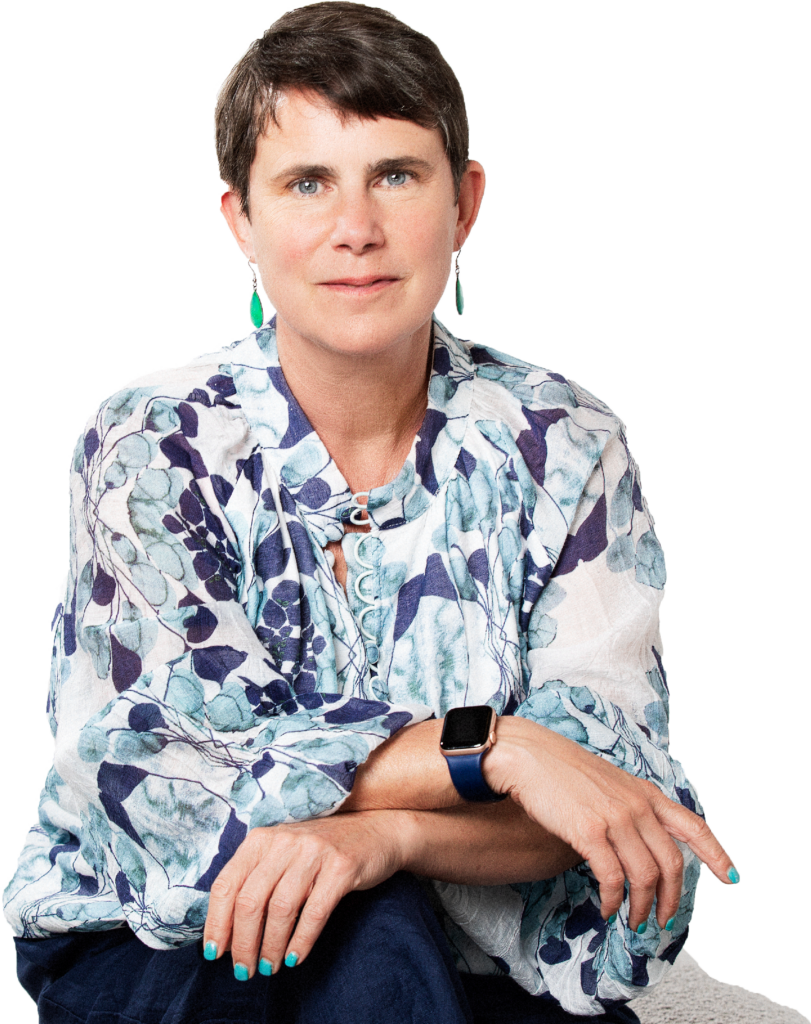
I’m Bonnie Douglas, the founder of Smoother Separations.
I began this work after completing a Graduate Diploma of Counselling and further training in solution-focused brief couples therapy. At that stage, my hope was to help couples avoid the pain and damage that can come when a relationship breaks down badly. I wanted to help people repair, reconnect, and avoid the kind of prolonged distress my own family had experienced.
But what I quickly discovered was that many couples were not coming to counselling to save the relationship. Often, one person was already clear that the relationship was over and wanted help navigating what came next. That changed the direction of my work.
I went on to complete a Graduate Diploma of Family Dispute Resolution and became a registered Family Dispute Resolution Practitioner. Over time, my focus became clear: helping people separate more smoothly, with less conflict, less confusion, and less long-term harm – especially where children are involved.
That is why I created Smoother Separations.
My tagline is simple because I believe it deeply: separation should not be a life sentence.
My own separation involved multiple court matters between 2012 and 2017. I understand, personally and professionally, how exhausting the court process can be. It is expensive, stressful, and often leaves people feeling as though they have to prove who is telling the truth, who is wrong, and who deserves to “win”.
The real cost is not only financial. It is the mental load.
When conflict takes over, it follows you everywhere. You find yourself thinking about the last email, the next response, the unfairness of it all, or how to protect yourself from the next attack. Those thoughts creep in while you are driving, working, watching your child at sport, or sitting beside them at the kitchen table.
And when your mind is constantly caught in the conflict, it becomes very hard to be fully present with your children.
My children are adults now, and they do not hesitate to remind me how hard those years were. That matters to me. It is part of why I do this work the way I do.
My role is to bring calm, structure, and plain-English guidance to a process that can otherwise feel overwhelming. I help clients understand how the family law system works, what mediation can and cannot do, and what their options may look like before they make decisions.
I also believe strongly in psycho-education. Conflict affects the way we think, communicate, and interpret the other person’s behaviour. When we are hurt or scared, it is easy to build the other person into a monster in our mind – and then unconsciously look for evidence that proves that story is true.
Understanding those patterns does not excuse poor behaviour. But it can help people step back, respond more carefully, and make decisions from a steadier place.
My approach is calm, practical, and future-focused. I do not believe in pressuring people into agreements. I believe in helping people slow down, understand the process, communicate more clearly, and make informed decisions they can live with.
Because separation is hard enough.
It should not become the thing that defines the rest of your life.